Roof Inspections for Home Buyers and Their Agents
Buying a home and worried about the roof? Learn how buyers and agents can quickly evaluate roof condition, repair costs, and insurability before the option period ends.
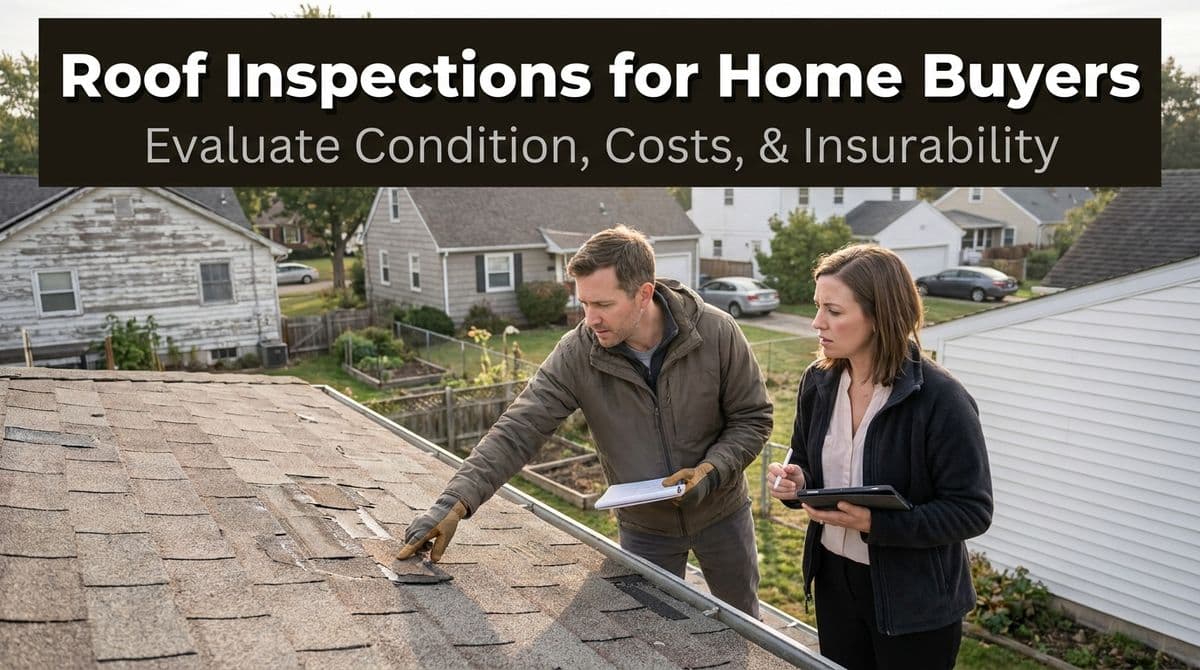
Roof inspections during home buying: what we look for
We recently got a call from a real estate agent — let’s call her Amanda — who was helping buyers on a house that had just gone through a general home inspection. The inspector had flagged some roof concerns, the option period ended the next day at 5 p.m., and everyone was scrambling.
Amanda’s questions are the same ones we hear all the time during a home purchase:
- “Can you get out there fast?”
- “What really needs to be repaired or replaced?”
- “Is this roof even insurable, or will the insurance company make us fix it first?”
We thought it would be helpful to walk through how we handle situations like this, and how buyers and their agents can get clear answers before closing.
Why a roofer still matters after the general inspection
Most home inspectors do a good job of catching visible roof issues—missing shingles, exposed nail heads, signs of leaks in the attic. But they usually note those items as “recommend roofer evaluation,” which is exactly what happened on Amanda’s deal.
As roofing contractors, our job in these situations is to:
- Confirm whether the inspector’s concerns are minor, moderate, or major
- Document the condition with photos and clear explanations
- Prepare a repair or replacement estimate that buyers can use for negotiations
- Give an honest opinion on how an insurance company is likely to view the roof
That last point is key. Even if a roof “looks okay” at a glance, if it’s at the end of its life or has prior storm damage, an insurer may refuse coverage or require repairs right after closing.
Working under a tight option period
In Amanda’s case, the option period ended the next day. We see that a lot. Here’s how we typically handle that kind of time crunch:
- Get the inspection report first. Just like we did with Amanda, we ask the agent to email the full home inspection report so we know what was flagged before we ever climb a ladder.
- Prioritize vacant or easy-access homes. If the home is vacant or on a lockbox, like Amanda’s was, we can usually squeeze it into a tight schedule much easier.
- Communicate honestly about timing. We’ll tell you if it’s going to be mid-morning or afternoon and if there’s any risk we can’t make the deadline, so you can request an option-period extension if needed.
If your option ends tomorrow at 5 p.m., don’t wait. Get the report in our hands as early as possible so we can confirm whether this is a “don’t panic” situation or a “renegotiate or walk” situation.
How we evaluate a roof for buyers
When we’re inspecting a roof for a buyer, we’re looking at it a little differently than we would for a basic maintenance call. We know this decision affects:
- Your out-of-pocket repair costs
- Your ability to get affordable homeowners insurance
- How long before you’re likely staring down a full replacement
Here are the main things we check and how we explain them to buyers and agents:
1. Overall age and remaining life
We look at shingle type, wear patterns, and installation details to estimate how much life is left. For example:
- Granule loss: Bald spots or heavy granule build-up in gutters mean the roof is wearing out.
- Curling or cracking: Shingles that are curling or brittle usually indicate advanced age.
- Multiple layers: If there’s a second layer of shingles, that can reduce life and complicate replacement.
We’ll tell buyers something like, “This roof looks to have about 3–5 years of reasonable service left if it’s maintained,” or, “You should budget for replacement very soon; it’s at the end of its life.”
2. Active leaks and past leak evidence
We check the roof surface and the attic (if accessible) for:
- Stains on decking or rafters
- Soft or rotten spots in the wood
- Water trails or rust around vents, chimneys, and penetrations
An active leak doesn’t always mean full replacement. Sometimes targeted repairs around a chimney, valley, or plumbing vent take care of it. The key is whether the surrounding shingles and decking are still in good condition.
3. Installation quality and ventilation
A roof can be “newer” and still be a problem if it wasn’t installed correctly. We check:
- Nail placement and over/under-driving nails
- Proper flashing at walls, chimneys, and skylights
- Adequate intake and exhaust ventilation
Poor installation can shorten the life of the roof and may give insurance companies a reason to deny a claim later if there’s storm damage.
Insurability: what buyers should know
Amanda specifically asked whether the roof was “insurable.” We can’t speak for every insurance company, but we can give buyers a realistic expectation based on what we see locally.
Here are common roof conditions that can cause insurance headaches:
- Very old roofs (often 20+ years for standard asphalt shingles)
- Documented prior storm damage that was never addressed
- Active leaks and interior water damage tied to the roof
- Improper repairs (tar patches, mismatched shingles, exposed fasteners)
When we finish an inspection for a buyer, we’re typically able to say one of three things:
- “We see no reason an insurer would refuse coverage, though they may limit cosmetic claims on older roofs.”
- “It’s likely insurable, but the insurer may require these specific repairs.”
- “We expect significant pushback from insurers unless the roof is repaired or replaced.”
We also encourage buyers to share our findings and photos with their insurance agent before closing, especially if the roof is older or has known issues.
How to use the roofing report in negotiations
Once we inspect Amanda’s kind of situation, we usually provide:
- A written summary of roof condition in plain language
- Photos of any problem areas
- A repair estimate, and if warranted, a separate replacement estimate
Buyers and their agents often use this in one of three ways:
- Ask the seller to complete the repairs before closing.
- Request a credit or price reduction to cover the repairs or a portion of a future replacement.
- Decide to walk away if the roof issues are more than they’re comfortable with.
The key is having clear, roofer-level information in hand before that option period expires, not after you’re already locked into the purchase.
Tips for buyers and agents before you call a roofer
If you’re in the middle of a home purchase and the roof is a question mark, here’s how to make the most of a roofing inspection:
- Send the full home inspection report first. This lets us focus on what was flagged and verify anything the inspector couldn’t see well.
- Tell us your option-period deadline. We’ll be honest about whether we can inspect and report back in time.
- Clarify your goals. Are you deciding whether to walk away, negotiate repairs, or just understand future costs? We can tailor our report.
- Loop in your insurance agent early. Share our findings so there are no surprises when you bind coverage.
Buying a home is stressful enough. A focused roof inspection, done quickly and clearly, can turn “roof unknowns” into solid information you can actually use to make a smart decision before closing.