Water Leaking Around Your Furnace Vent Pipe? Read This First
Noticed water dripping around your furnace vent pipe? Here’s what it usually means, why you shouldn’t ignore it, and what you can safely do until a pro arrives.
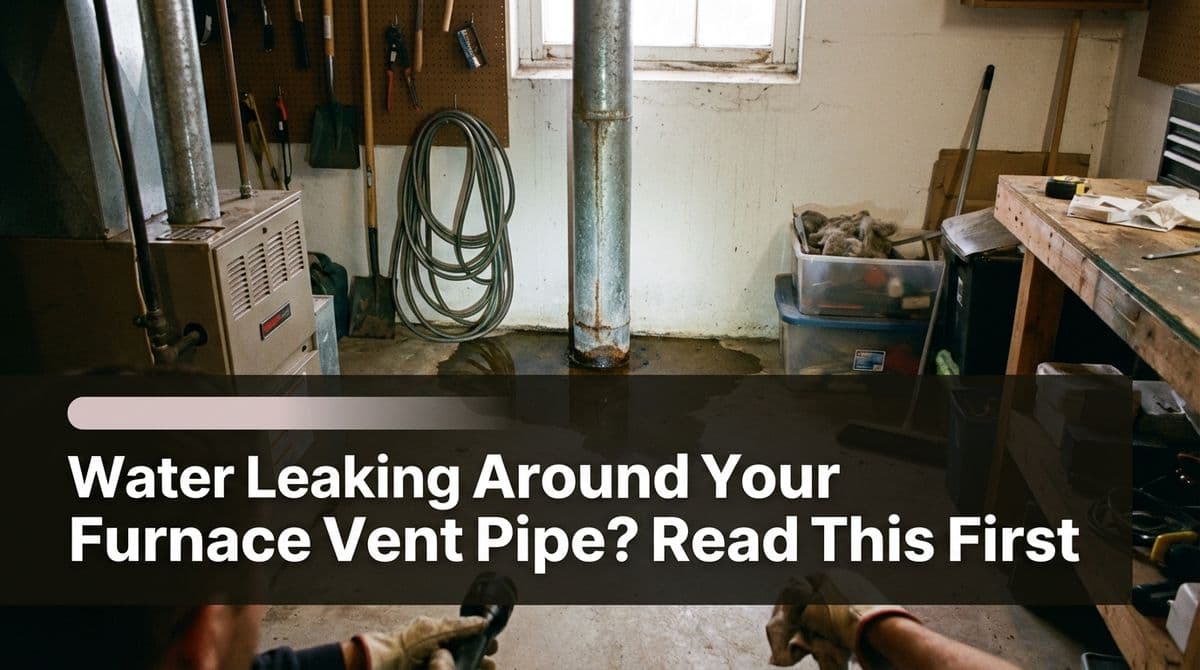
We recently got a call from a homeowner — let’s call her Linda — who had just gone up into her attic to change her furnace filters. While she was up there, she noticed something that made her very nervous: water dripping around the metal pipe going out through the roof and landing right on her furnace.
Linda told us she could see water coming down the outside of the pipe and also dripping in a second spot nearby. It had just started raining harder, and she was worried that if she waited, the water would damage her furnace or cause a safety issue.
That call is exactly why I wanted to write this. If you’re seeing water around your furnace vent pipe, you’re not alone — and it’s not something to ignore.
First Things First: Is It a Plumbing Leak or a Roof/Vent Leak?
When Linda described her issue, she said, “The gas pipe that goes out the roof, I’m assuming that’s what’s dripping down onto my furnace… when the rain picked up, I noticed that it’s coming down the pipe.” That one detail — it worsens with rain — told us a lot.
In most homes, water around the furnace vent or flue is caused by one of two things:
- Roof or flashing leak around the vent penetration, or
- Condensation inside the vent (more common with high-efficiency systems and long vent runs)
If it only happens when it rains or gets worse as the rain picks up, like Linda’s did, that usually points to a roof or vent flashing problem, not a plumbing pipe leak.
Why Water Around a Furnace Vent Is a Big Deal
Linda’s first concern was, “I don’t want it to ruin it or cause any problems.” She was right to be cautious. Even a slow drip can create several issues over time:
- Electrical damage: Water can reach control boards, wiring, or connections and cause shorts or system failure.
- Rust and corrosion: The furnace cabinet, burners, and flue connections can rust, shortening the life of your system.
- Mold and wood rot: In the attic, framing and insulation can soak up moisture and grow mold or rot.
- Carbon monoxide risks: In severe cases, corrosion or movement can affect venting, which is not something to gamble with.
So while it might only look like a little drip today, it’s important to take it seriously and address it quickly.
What You Can Safely Do Right Away
When Linda called, it was raining steadily and the roof was slick. Climbing onto a wet roof is risky, even for pros. I told her the same thing I’ll tell you here: don’t go walking on a wet roof to “take a quick look.”
Here’s what you can safely do while you’re waiting for a technician or roofer:
- Catch the water: Just like I suggested to Linda, put a bucket, pot, or plastic tub under the drip. If it’s dripping onto the furnace, position the container on a stable piece of plywood or a secure surface so it doesn’t tip over.
- Protect the unit: If you can do it safely, you can drape a plastic trash bag or tarp over the top of the furnace cabinet to keep direct drips off (but don’t block any vents or louvers on the sides or front if the furnace is running).
- Take a quick look (from inside only): From the attic, use a flashlight to see if you can spot exactly where water is entering — around the pipe, from a nearby nail hole, or from higher up on the roof decking.
- Note when it leaks: Does it happen only in heavy rain? Wind-driven rain? Constantly? Those details help us pinpoint the cause faster.
Common Causes of Water Around a Furnace Vent Pipe
Once we arrive at a home like Linda’s, here are the issues we most often find:
1. Damaged or deteriorated flashing
The metal or rubber “boot” where the vent pipe comes through the roof can crack, pull away, or rust. When that happens, rain runs right down the outside of the pipe and into the attic — exactly what Linda was seeing.
2. Failed sealant
Sealant or caulking around the vent collar or flashing can dry out and separate. In some cases, a temporary bead of high-quality exterior silicone can buy time until a permanent roof repair is scheduled.
3. Roof shingle or decking problems
If the shingles around the vent are damaged, missing, or improperly installed, water can get under them, follow the roof decking, and show up near the vent pipe inside.
4. Condensation inside the vent
With some high-efficiency furnaces and long vent runs, warm flue gases can cool and form condensation inside the pipe. If the vent isn’t pitched correctly or lacks proper drains, that moisture can leak back at the furnace or in the attic.
What We Usually Do to Fix It
With Linda, I explained that because the roof was wet, I might be limited to a temporary fix until things dried out. That’s often how we handle it safely:
- Inspect from the attic first: We trace the water path, check the vent connections, and look for any signs of rust or damage on the furnace itself.
- Carefully inspect the roof (when dry): We look at the vent boot, flashing, shingles, and any previous repair attempts.
- Apply temporary sealant if needed: In some cases, a bead of silicone or roofing sealant around a visible gap can slow or stop the leak until a roofer can perform a permanent repair.
- Recommend permanent repairs: That may include replacing a vent boot, repairing shingles, adjusting or replacing sections of vent pipe, or addressing condensation issues.
When to Call an HVAC Pro vs. a Roofer
This is a question we get a lot on calls like Linda’s: “Do I need you, or do I need a roofer?” Often, the answer is both, but here’s a simple guide:
- Call an HVAC pro if water is getting on or into the furnace, if you see rust or corrosion on the furnace or vent, or if you’re not sure whether the venting is safe.
- Call a roofer if the attic inspection shows obvious shingle, boot, or flashing damage and your furnace appears untouched.
In many cases, we start the diagnosis from the HVAC side, make sure your system is safe, and then coordinate or refer you to a roofer if the problem is purely on the roof.
Seeing a Leak Around Your Furnace Vent? Don’t Wait.
If you’re in the same situation Linda was — up in the attic with a bucket, watching drips land near your furnace — go ahead and put something in place to catch the water, then get a professional out as soon as you can. The longer water is allowed to drip, the greater the chance of hidden damage.
We’re always happy to come out, take a careful look in the attic and at the furnace, and help you determine whether it’s an HVAC issue, a roofing issue, or a little of both — and how to fix it safely.